Loading…
Loading…
2 June 2026 · by Cathryn Meyer
Training your dog is one of the most rewarding things you'll do together — but even the best trainer with the best technique will hit a wall if the treat in their hand isn't worth working for. The secret to a dog that stays engaged, responds quickly, and actually enjoys training sessions? It starts in the treat bag.
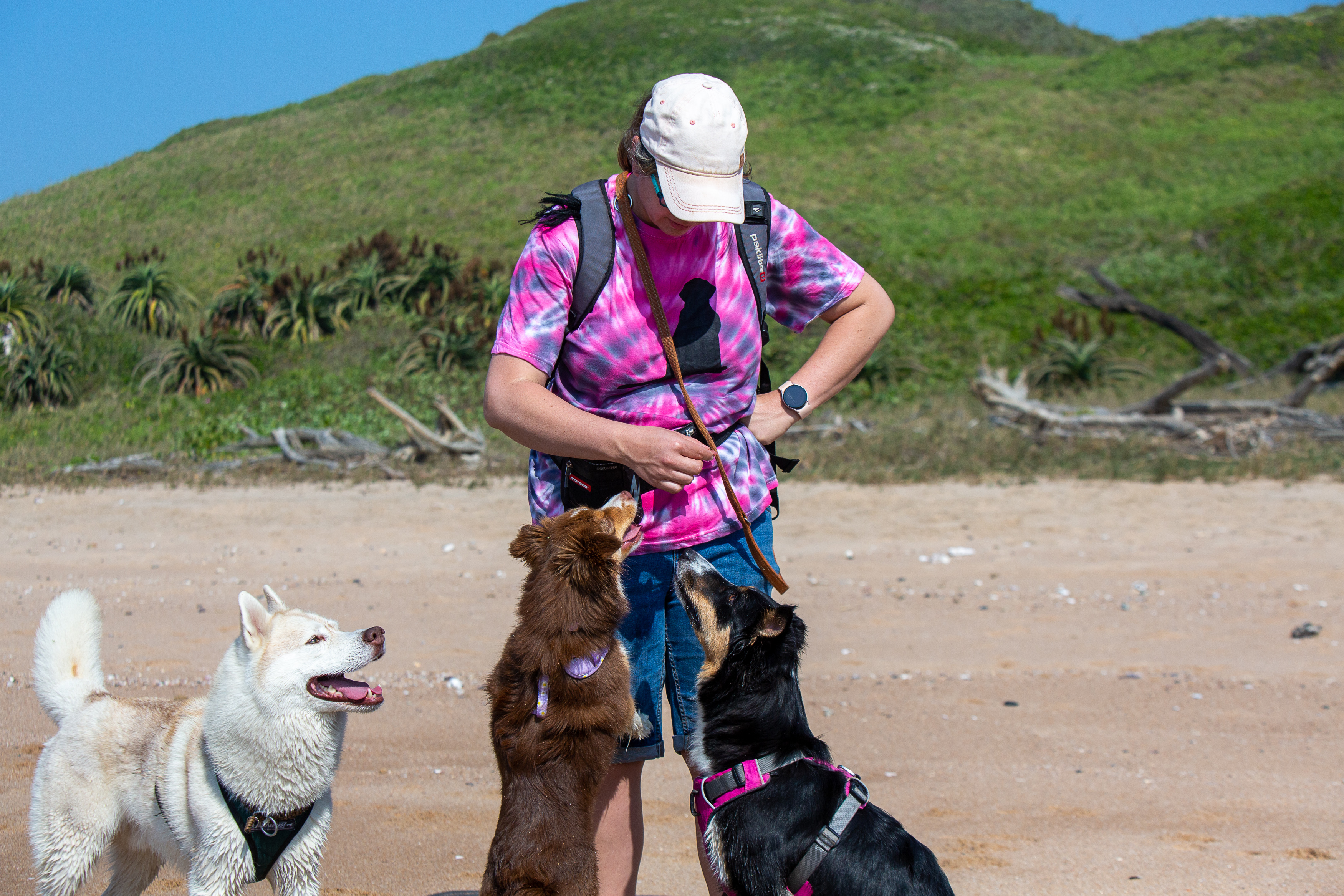
Think of training like a job. Your dog is showing up to work, putting in mental effort, and managing impulses — and they deserve to be paid fairly. A dry, bland kibble in a distracting environment simply isn't a competitive salary. High-value treats are anything your dog finds irresistible — small pieces of boerewors, chicken liver, cheese, or quality freeze-dried meat bites. These are the treats that make your dog's eyes light up, that keep their attention on you even when there's a squirrel three metres away, or another dog is doing something far more interesting than a sit-stay
"The treat needs to be more exciting than the distraction. That's not bribery — that's smart training."
Save your highest-value rewards for the hardest work: recall training, new environments, proofing behaviours under distraction. For low-stakes repetition in the back garden, a mid-value treat works fine. Calibrating your treat value to the difficulty of the task is one of the most underrated training skills you can develop.
Here's a mistake almost every new trainer makes: treats that are too big. Your dog chomps away for thirty seconds, loses the training rhythm, and by the time they've finished you've lost the moment. Good training treats should disappear in a single bite — one chew and done. Small treats keep the pace up. They allow you to reward frequently without filling your dog up, which means longer, more productive sessions. They also let you mark and reward at exactly the right moment — timing is everything in training, and a five-second chew break breaks the feedback loop your dog needs.
Pea-sized pieces - Ideal for fast-paced training — gone in a second, reward lands clean
Soft texture - Easy to break, easy to chew — no loud crunching to distract the dog
Low calorie per piece - Lets you reward generously in a session without worrying about overfeeding
If you're using something like biltong or chicken breast, break it down at home before your session. Pre-portioned treats in a treat bag means no fumbling mid-training — smooth, fast, consistent rewards every time
Dogs, like people, get bored. A dog that gets the same treat every single session may start working less enthusiastically over time — not because they don't want to please you, but because the reward has become predictable. Variety keeps the game interesting. Rotating between different treats — chicken one session, fish skin the next, a bit of cheese on a great performance — creates something behaviourists call a "variable reward schedule." Unpredictability actually increases motivation. Your dog works harder when they're not quite sure what's coming, but they know something good is.
"Rotate your rewards the way a good coach rotates drills — familiarity breeds comfort, but variety builds drive."
Variety also gives you a practical tool: you can escalate to a super-high-value treat for a breakthrough moment — a perfect recall in a busy park, the first clean heel — and that jackpot reward lands even harder because it's unexpected. Build a treat toolkit, not just a treat jar.
"The right treat doesn't just reward your dog — it tells them this is worth showing up for."